
Subtotal $0.00
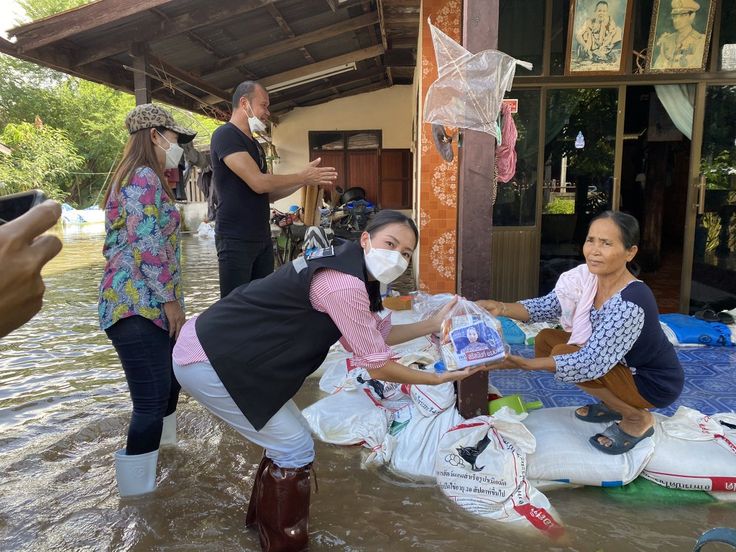
Disasters can strike without warning. Floods, landslides, earthquakes and major storms can destroy homes, disrupt daily life and leave families without basic needs. During these moments, quick and organised help becomes the only source of safety. Disaster relief work is not just about giving supplies. It is about restoring hope, stability and dignity when everything else feels uncertain.
At Sacha Souda, supporting communities during disasters is one of our most important responsibilities. This blog explains why disaster relief matters, how it protects families and why strong community support can save lives.
Why Disaster Relief Is Important
Disasters place people in situations where they cannot manage on their own. Loss of homes, damaged roads, lack of food, unsafe water and medical emergencies create fear and confusion. Relief efforts provide a strong foundation for recovery.
1. Immediate support builds safety
Right after a disaster, people need clean water, food, shelter and medical help. Quick action reduces stress and prevents further damage. When help arrives on time, families feel supported and protected.
2. It prevents health risks
Floods, storms and earthquakes often lead to injuries, contamination, infections and water-borne diseases. Providing first aid, hygiene kits and clean water reduces these risks and keeps communities healthy.
3. It gives families hope
When everything seems damaged or lost, even simple support such as meals or blankets helps people regain courage. Hope is one of the strongest tools for recovery.
How Grassroots NGOs Strengthen Disaster Response
Large systems take time to act. Grassroots NGOs respond faster because they understand the local area, know the community and work with trained volunteers.
Knowing the terrain
Local NGOs are familiar with nearby rivers, slopes, rural areas and vulnerable settlements. This helps them reach affected families quickly and safely.
Community trust
Volunteers who have previously worked in a region are trusted more. Families cooperate, give accurate information and accept help without hesitation.
Quick decision-making
Grassroots teams do not wait for long approvals. They organise supplies, gather volunteers and reach the location immediately. This fast action often saves lives.
Key Areas of Effective Disaster Relief
1. Food and Water Distribution
One of the biggest challenges during disasters is access to food and safe drinking water. Floods may contaminate water sources, storms may damage shops and roads may become blocked.
Relief teams distribute:
- Cooked meals
- Dry ration kits
- Packaged drinking water
- Baby food where needed
This ensures families remain nourished during the crisis.
2. Temporary Shelter and Warm Clothing
Many people lose their homes or cannot return until it is safe. Relief volunteers help set up temporary shelters with tarpaulin sheets, blankets and sleeping mats. Warm clothing is especially important during winter disasters, when temperatures can drop quickly.
3. Medical Aid and First Response
Injuries and infections can become serious if ignored. Relief teams bring:
- First aid kits
- Basic medicines
- Bandages and antiseptics
- Support for reaching hospitals
Medical camps also help check for fever, dehydration, skin infections and other issues that often rise after disasters.
4. Hygiene and Sanitation Support
Cleanliness becomes difficult when toilets are damaged or water is contaminated. Hygiene kits with soap, toothbrushes, sanitary pads and disinfectants help reduce the spread of disease. This is especially important for children, women and the elderly.
5. Mental and Emotional Support
Disasters affect more than physical surroundings. They create fear, stress and uncertainty. Volunteers offer comfort, listen to families, support children and help people stay positive during recovery. Emotional strength helps communities rebuild faster.
The Recovery Phase: Why Long-Term Support Matters
Relief is only the first step. After the immediate danger passes, families need long-term support to return to normal life.
Rebuilding homes
Repairing broken walls, damaged roofs and flooded rooms takes time and resources. Support with materials or labour can reduce the burden on families.
Restoring livelihoods
Many people lose daily wage work, farms, shops or tools during disasters. Helping them restart their income is important for stable recovery.
Education continuity
Children often miss school due to damage or relocation. Providing books, uniforms and transport helps them return to learning without delay.
Monitoring vulnerable groups
Elderly people, pregnant women, disabled individuals and young children need special attention for weeks after a disaster. Regular check-ins keep them safe.
Stories That Show the Power of Relief Work
Across many disaster-hit regions, we have seen how timely action transforms situations:
- Families stranded due to heavy floods received warm meals and drinking water within hours, preventing dehydration and hunger.
- Children who lost their school materials during storms returned to classes because they received new kits.
- Senior citizens living alone gained confidence when volunteers checked on them regularly and provided medicines.
- Entire communities recovered faster because they had temporary shelter, safe water and clean surroundings.
Every act of support, no matter how simple, helps a family rebuild their life.
How You Can Help During Disasters
You don’t need special skills to support disaster relief. Anyone can help in a meaningful way.
Ways to contribute
- Donate food items, blankets, clothes or hygiene kits
- Offer financial support that helps purchase relief materials
- Volunteer during packing, organising or distribution
- Spread verified information to create awareness
- Help identify families that need urgent support
Even small contributions can make a big difference during emergencies.
Conclusion
Disasters test the strength of communities, but they also show the power of compassion. Relief efforts protect families, restore stability and help people move forward with dignity. At Sacha Souda, our goal is to reach people when they need it the most and stand beside them until they recover.
With teamwork, generosity and consistent support, we can ensure that every affected family finds the safety and strength they deserve.
